
Excerpt: Lipedema progresses through four main stages that vary in severity and impact on mobility. Learn more about each stage and how to diagnose it accurately.
Article Content:
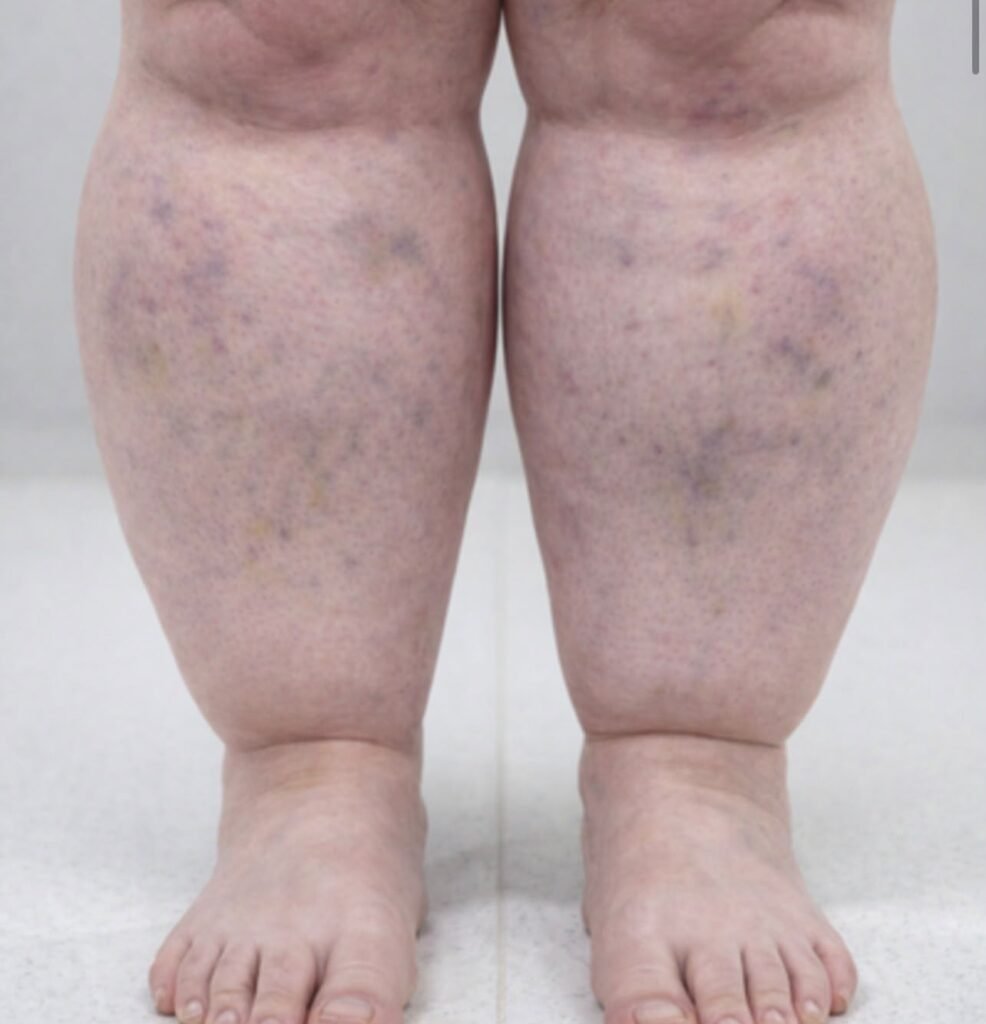
Lipedema is not a single, fixed condition; rather, it develops in stages and has different degrees that determine the severity of fat accumulation and the extent to which it affects the body and daily movement:
- Stage 1: Fat begins to appear irregularly on the limbs; it can be felt under the skin as soft lumps rather than being visibly apparent, and may be painful when pressed.
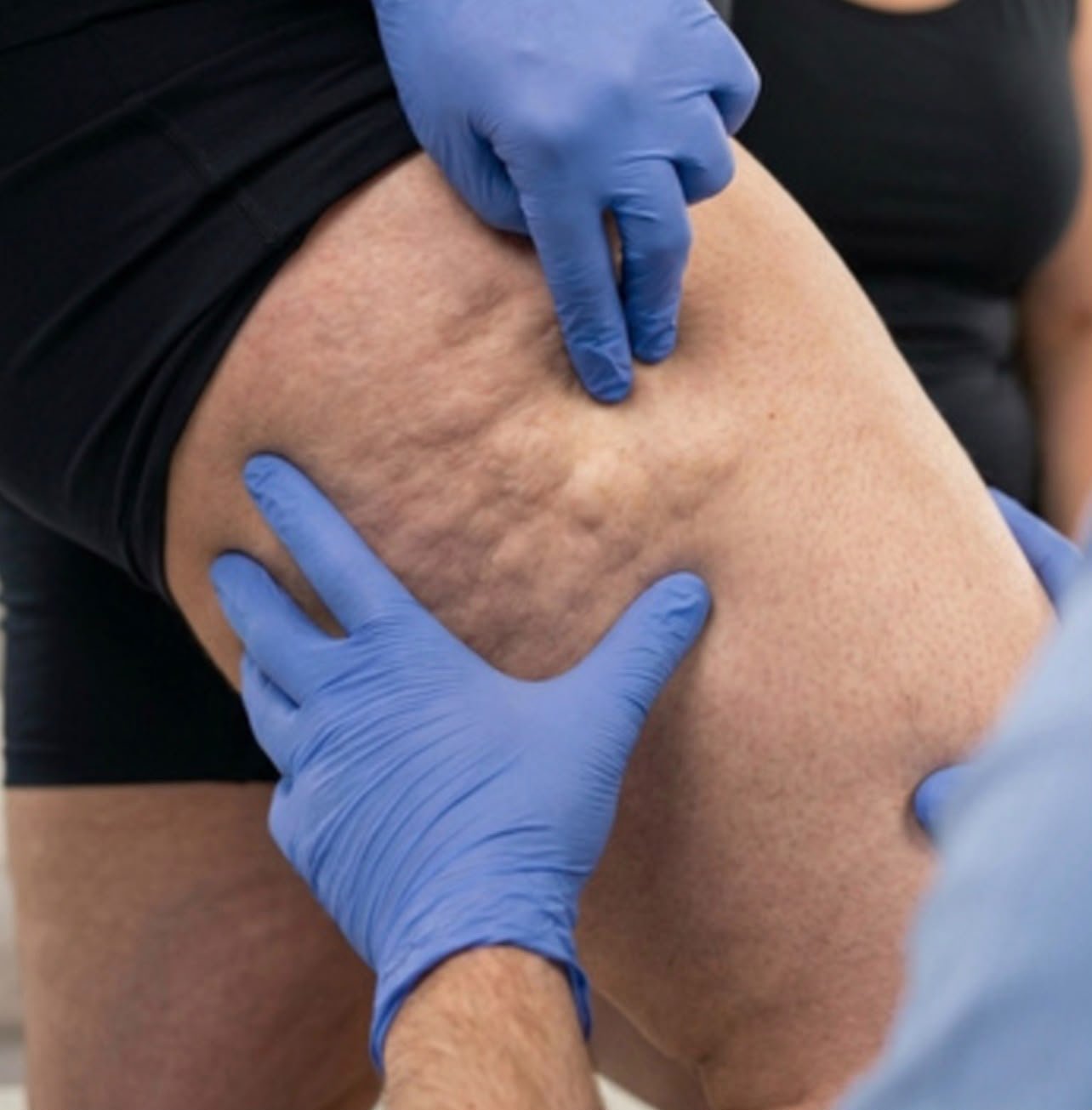
- Stage 2: Fat accumulation becomes more noticeable, and distinct lumps appear. Associated symptoms, such as a feeling of heaviness and pain when the limbs are touched, begin to appear.
- Stage 3: Significant changes in body fat are evident, along with sagging skin, dimpling, bumps, and swelling of the extremities; movement becomes more difficult.
- Grade 4: This is characterized by sagging, visible changes in the skin, and persistent pain, along with severe difficulty moving and a significant impact on daily life.
Determining the severity of the disease helps Dr. Ahmed Magdy Bakr develop the appropriate treatment plan to manage the condition and prevent it from worsening.