

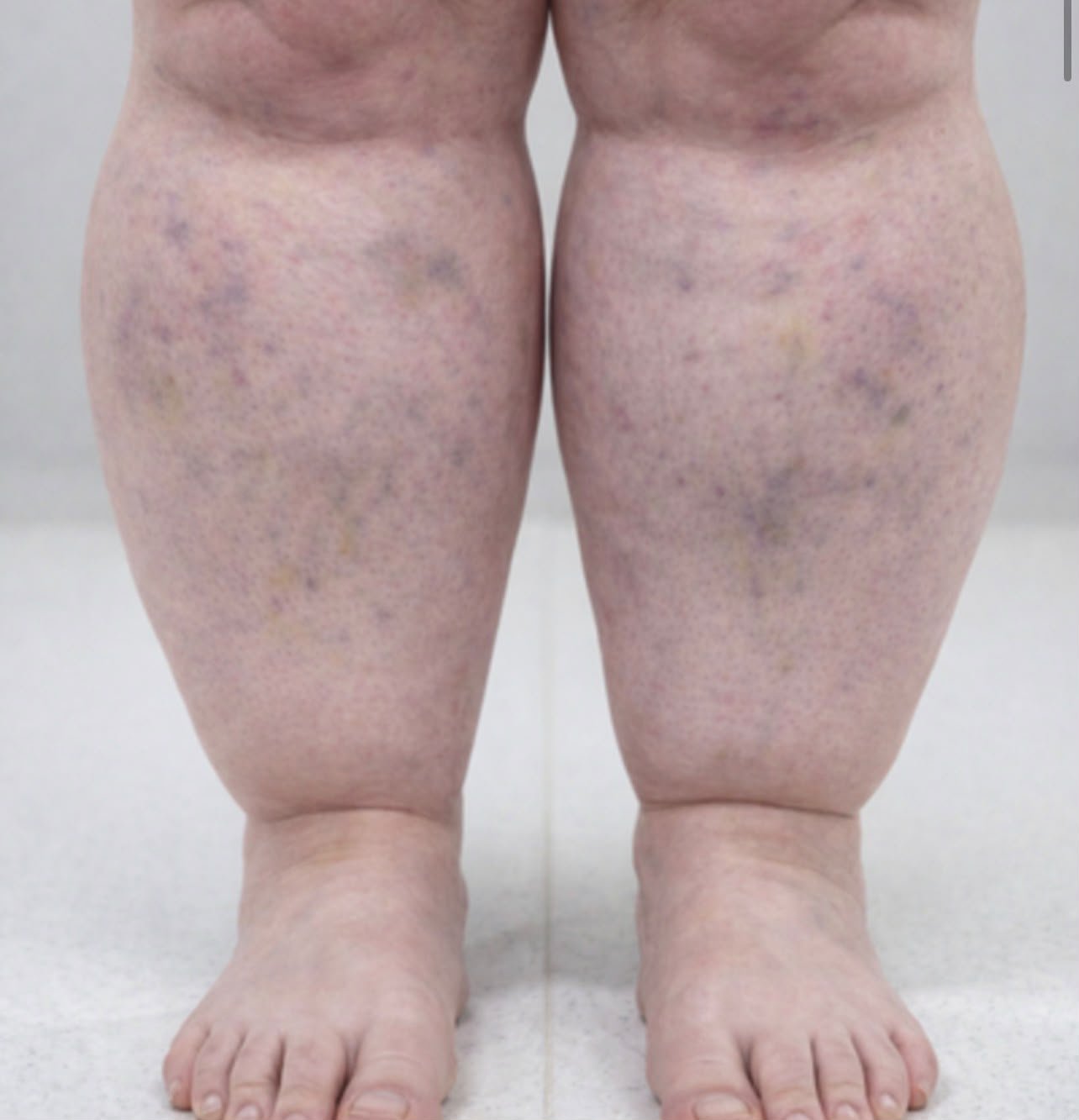
Lipedema is a chronic medical condition that primarily affects women and is characterized by an abnormal accumulation of fat in the extremities (especially the legs, thighs, and arms). This fat is not simply excess weight; rather, it is extremely resistant to weight loss, whether through diet, exercise, or even bariatric surgeries such as gastric sleeve surgery.
The difference between lipedema and regular obesity:
Fat Distribution: In ordinary obesity, fat is distributed evenly throughout the body, whereas in lipedema, fat accumulates in the extremities, forming lumps and showing clear asymmetry.
Response to Diet and Exercise: Fat resulting from ordinary obesity responds quickly to diet and exercise, whereas lipedema fat is highly resistant.
Pain and Easy Bruising: Patients with lipedema experience pain when pressure is applied, heaviness in the limbs, and unexplained bruising—symptoms that do not occur together in conventional obesity.
What Is Lipedema? A Comprehensive Guide to Understanding the Condition and How It Differs from Obesity
Continue reading
Related Articles
 Uncategorized
Why Do Women Develop Lipedema? Genetic and Hormonal Causes and Common Myths
Recent studies confirm that lipedema is a condition linked to genetic and hormonal factors and is not the result of the patient’s negligence or laziness. The most significant factors contributing to the development of lipedema are: Genetic factors: The presence of…
Read the article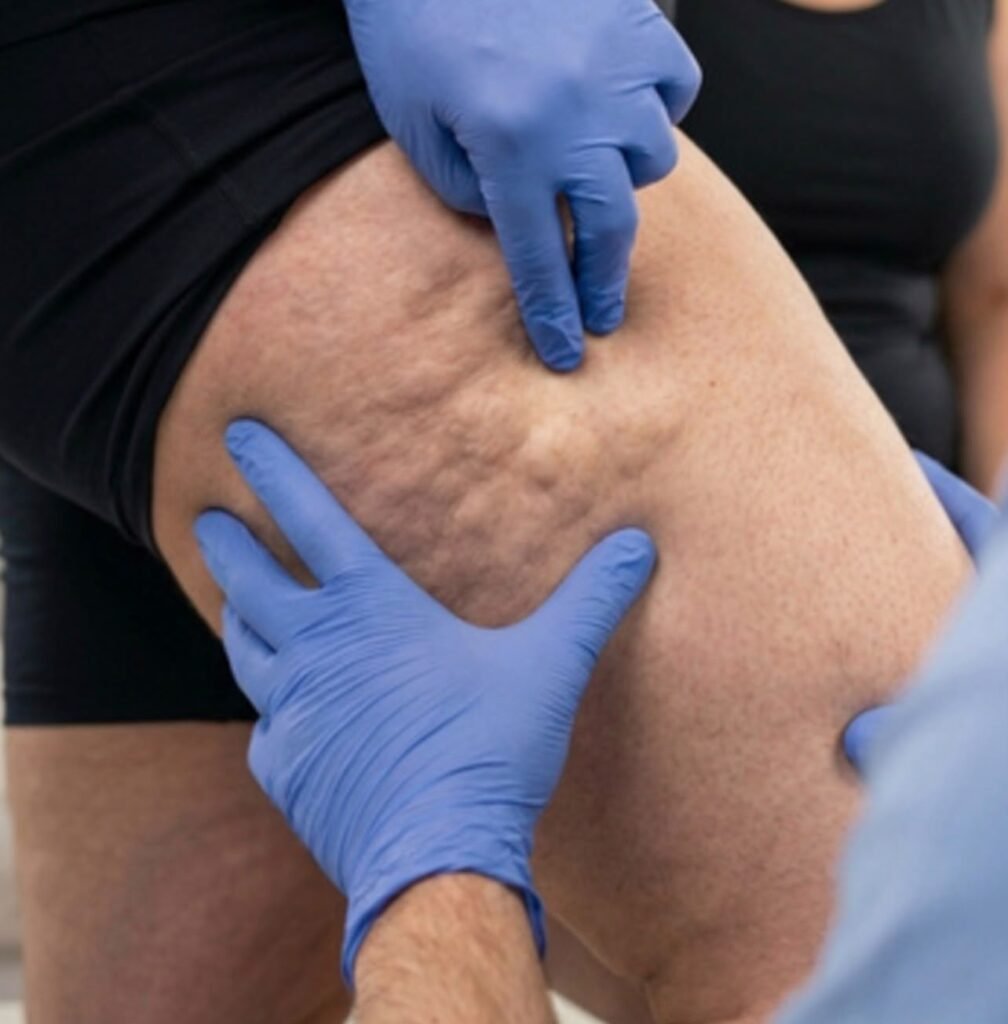 Uncategorized
The Four Stages of Lipedema: How Do You Determine the Stage of the Disease to Develop an Appropriate Treatment Plan?
Excerpt: Lipedema progresses through four main stages that vary in severity and impact on mobility. Learn about the details of each stage and how to make an accurate diagnosis. Article content: Lipedema is not…
Read the article